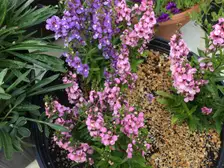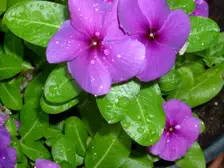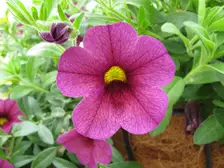
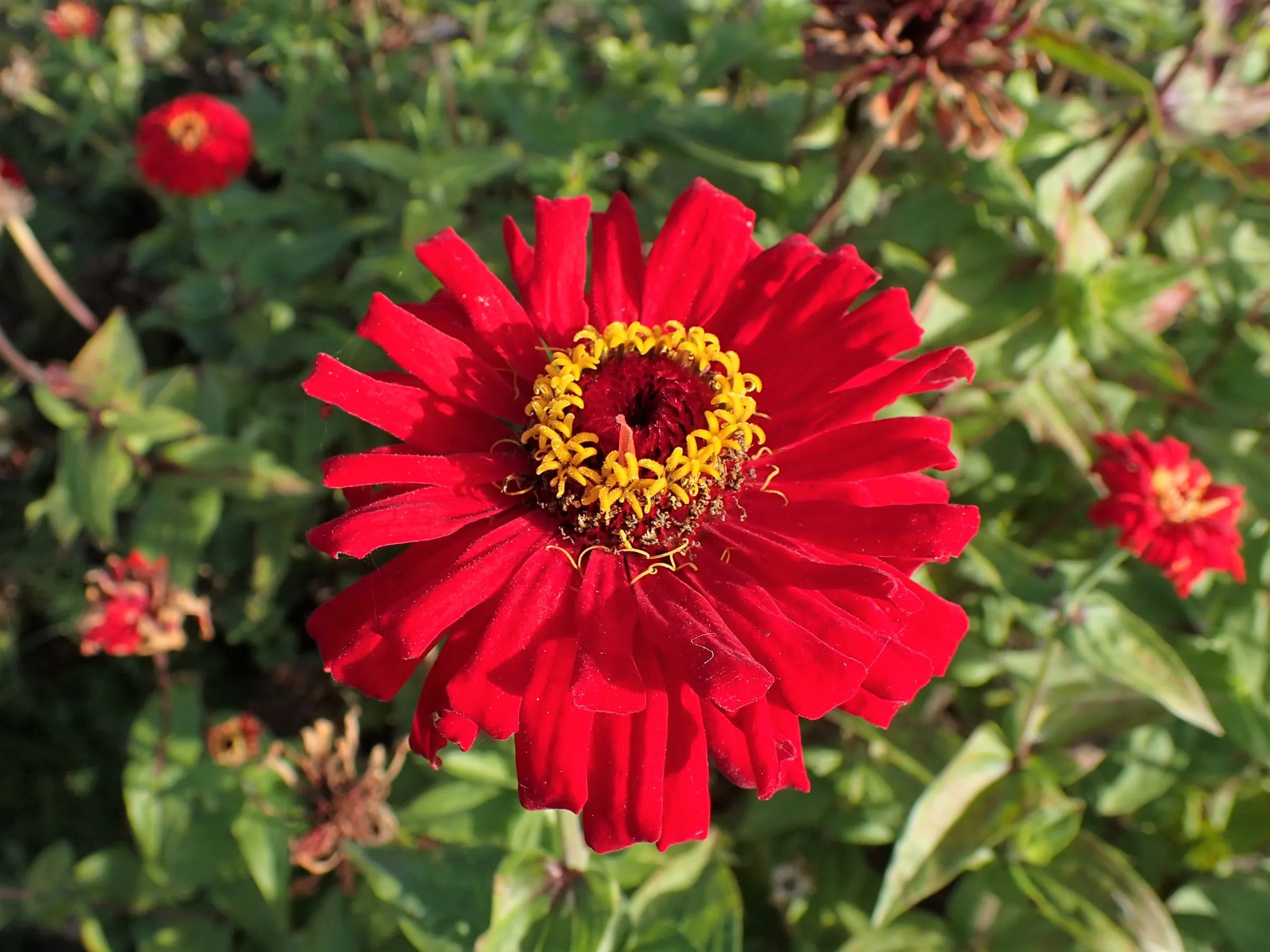
Photo: Krzysztof Ziarnek, Kenraiz, CC BY-SA 4.0, via Wikimedia Commons
- Light
- full sun, six hours or more. In part shade it gets more leaf spot and fewer flowers
- Water
- medium. About an inch a week, poured at the base when the top inch or two is dry. Wet leaves bring mildew and leaf spot
- Toxicity
- non-toxic to dogs, cats and horses (ASPCA, Zinnia species)
| Type | Warm-season annual |
|---|---|
| Sun | Full sun |
| Water | Medium |
| Size | 12 to 36 in tall, 12 to 24 in wide |
| Bloom | red, pink, orange, yellow, white, purple, green · June to frost |
| Plant in | mid-April to June |
| Interest | Summer, fall |
| Upstate winter | One season |
| Use in | Beds, containers |
| Role | Height, filler |
Toxicity confirmed against ASPCA Animal Poison Control.
Zinnias are the fastest, easiest summer color there is, and the butterflies agree. A packet of seed sown in May is blooming by July, and the flowers hold a week in a vase. For planters, look to the Profusion series, a cross with the narrow-leaf zinnia that stays a tidy 14 to 18 inches and shrugs off the mildew that wrecks the tall kinds by August.
In the Upstate
Zinnias are true annuals. They go out after the last frost, mid-April on, and can be sown right in the ground once the soil is near 70 degrees. Heat is no problem. Humidity is. Tall Zinnia elegans types get powdery mildew and leaf spot in our muggy summers, especially crowded or watered from above, and by late August they can look terrible. Profusion, Zahara and the Dreamland series were bred for that, which makes them the ones to plant near a front door.
In a container
A Profusion zinnia is a 14 to 18 inch mound that works as a filler or a low centerpiece, 20 inches across by midsummer. The tall cutting types belong in a bed or a cutting garden, not a porch pot. Space them for air, water at the base when the top inch or two is dry, and they need nothing else. If a tall type gets leggy, pinch it back and it fills in. Keep the big-flowered types deadheaded or they quit early.
Care
An inch of water a week at the soil line, never over the leaves. Feed lightly. Deadhead the big-flowered types to keep them going, and cut stems just above a leaf pair so new buds form there. Do not spray insecticides beyond soap, because zinnias feed bees and butterflies all day. The one thing that kills it is wet foliage in still, humid air, which brings mildew and leaf spot faster than anything you can fix.
Want this planted for the light you actually have? Start a project
Where it shows up
Sources
- Clemson HGIC 1149, How to Grow Zinnias (hgic.clemson.edu/factsheet/how-to-grow-zinnias-the-best-varieties-care-tips/)
- Clemson HGIC 2110, Zinnia Insect Pests and Diseases (hgic.clemson.edu/factsheet/zinnia-insect-pests-diseases/)
- NC State Extension Plant Toolbox, Zinnia elegans (plants.ces.ncsu.edu/plants/zinnia-elegans/)
- ASPCA, Zinnia (aspca.org)