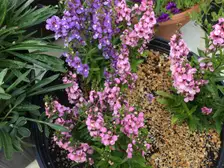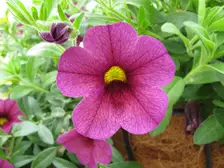
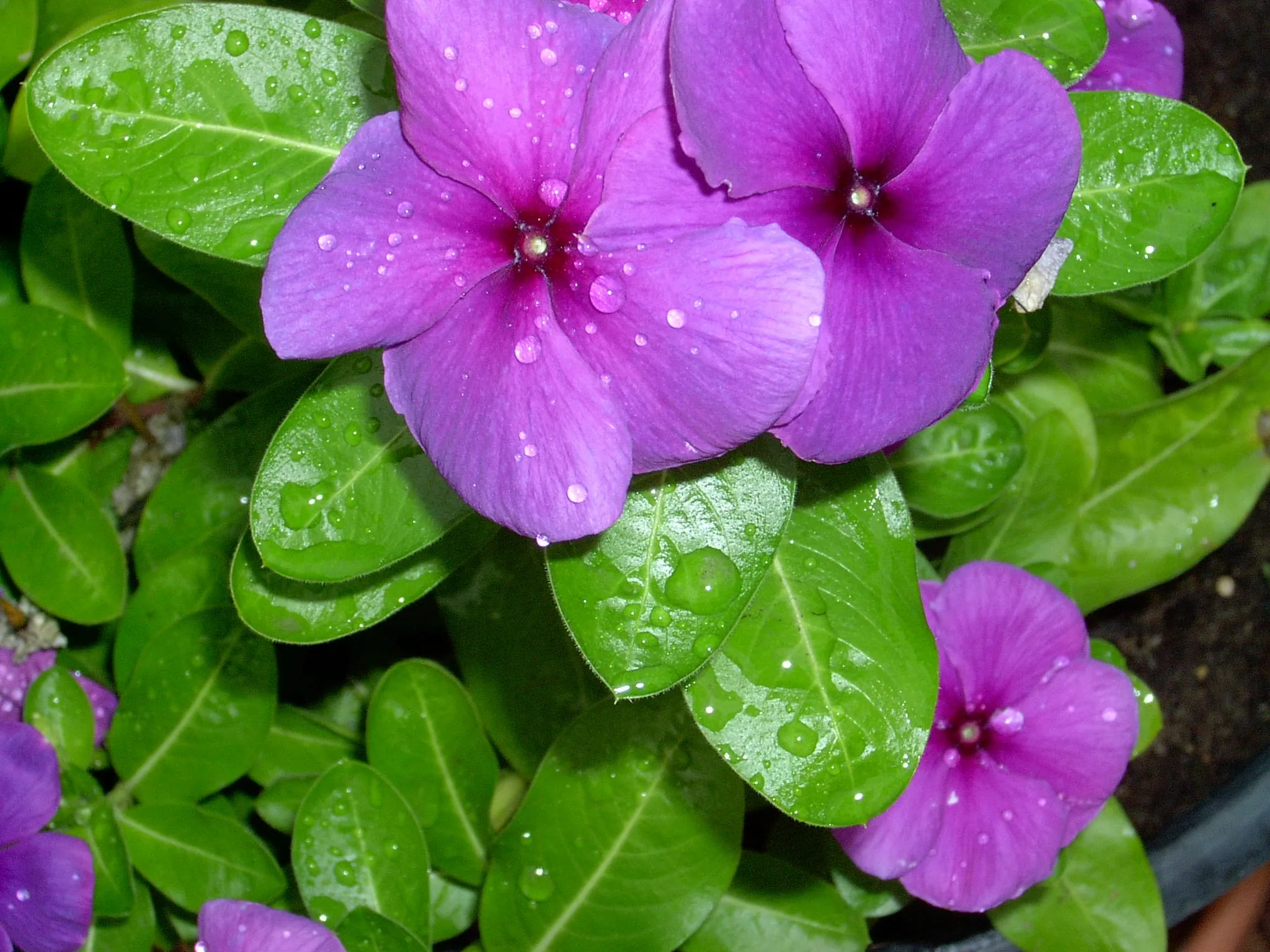
Photo: Shanigut, Public domain, via Wikimedia Commons
- Light
- full sun, with part sun acceptable. It blooms in the hottest, brightest spot you have
- Water
- low once established. Let the mix dry between waterings, and never plant it into cold, wet soil
- Toxicity
- toxic to dogs, cats and horses (ASPCA, periwinkle, Vinca rosea, the old name for Catharanthus roseus): vinca alkaloids; vomiting, diarrhea, low blood pressure, depression, tremors, seizures, coma, death. NC State Extension rates it low severity for people: vinca alkaloids; large quantities can cause vomiting, diarrhea, low blood pressure, hallucinations, tremors and seizures
| Type | Warm-season annual |
|---|---|
| Sun | Full sun, part sun |
| Water | Low |
| Size | 6 to 24 in tall, 8 to 24 in wide |
| Bloom | white, pink, rose, red, purple, lavender, apricot, bicolor · May to frost |
| Plant in | May to June, once the soil is above 60°F |
| Interest | Summer, fall |
| Upstate winter | One season |
| Hardy zones | 10 to 11 |
| Use in | Containers, beds |
| Role | Filler, trailer |
Toxicity confirmed against ASPCA Animal Poison Control; NC State Extension Plant Toolbox.
Annual vinca is the summer flower that keeps going when everything else on the porch has given up. Clemson says it can be relied on to flower in the hottest weather through the entire summer, and it tolerates heat, drought, and poor soil. The flat five-petaled flowers come in white, pink, rose, red, purple, and apricot, often with a contrasting eye, over glossy dark leaves. It needs no deadheading. It is not the vinca vine that trails out of hanging baskets. That is a different plant.
In the Upstate
Vinca is hardy only in zone 10 and up, so here it is a one-summer plant, killed by the first frost around early November. The mistake people make is planting it too early. Clemson says to wait until the ground is warm, usually May, with soil above 60°F, because vinca planted into cold, wet soil rots. That is a few weeks later than most summer annuals go in. Once it is in warm soil it takes August without complaint, which is more than we can say for most things.
In a container
Vinca is a filler, and the spreading kinds are trailers. Clemson’s compact series, ‘Heatwave’ at 10 inches and Mega Bloom at 8 to 10, are the ones for containers and hayracks, and the ‘Mediterranean’ series stays 6 inches tall and spreads 2 feet for baskets and window boxes. The upright series run 12 to 20 inches. Use a mix that drains, let it dry between waterings, and do not fuss over it. It holds from May to frost with no swap.
Care
Water sparingly, feed lightly, and leave the spent flowers alone, since they drop on their own. Clemson calls it one of the most trouble-free bedding plants, and the exceptions are root and stem rots and dieback, all of which start with wet soil or a too-early planting. Good drainage is the whole game. Keep pets from chewing it, and choose the Cora series where root rot has been a problem before, since Clemson notes its resistance.
Want this planted for the light you actually have? Start a project
Sources
- Clemson HGIC 1158, Annual Vinca (hgic.clemson.edu/factsheet/annual-vinca/)
- NC State Extension Plant Toolbox, Catharanthus roseus (plants.ces.ncsu.edu/plants/catharanthus-roseus/)
- ASPCA, Periwinkle (Vinca rosea) (aspca.org)