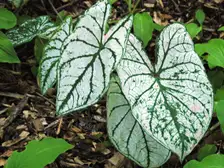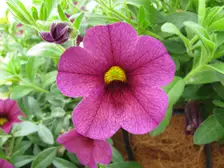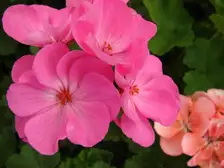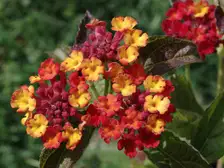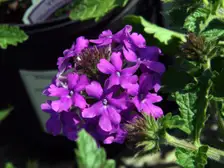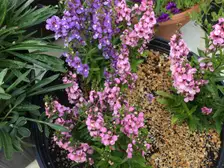
Angelonia
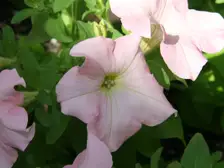
Angelonia angustifolia

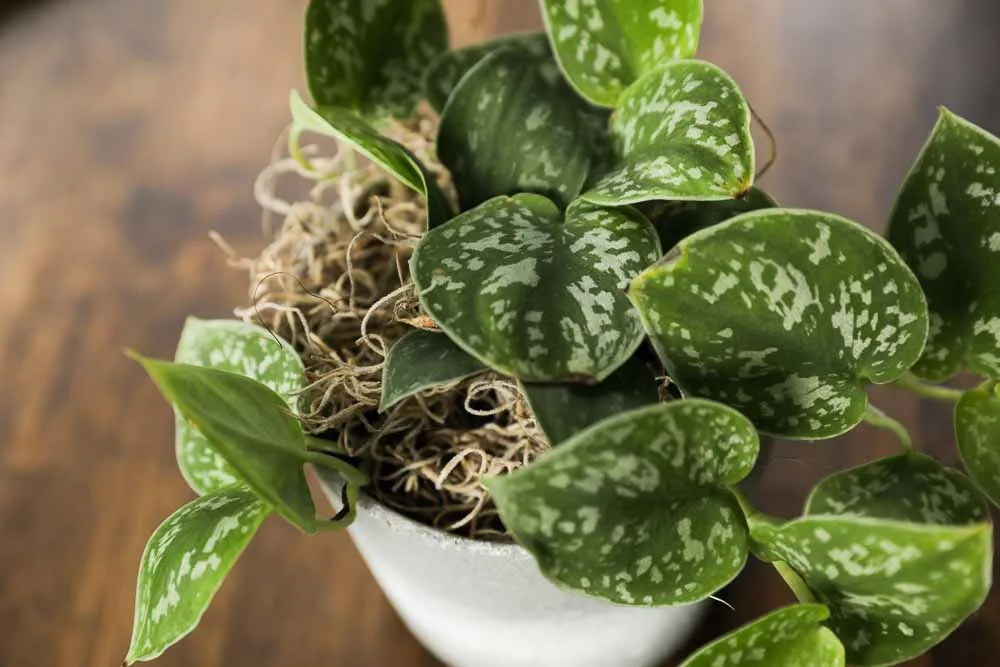

A beautiful planter still needs water, light, drainage, and a little attention after installation.
This is our practical library for the things clients ask about most, especially in Greenville’s heat, humidity, changing seasons, and unpredictable cold snaps.
Organized the way the work actually happens: getting the setup right, keeping it going, and changing with the seasons.
The honest line between maintenance and 'it's time for the next season', with a checklist for each side.
Read the article →
01
02
The surface of the soil lies. How to judge moisture, water through, and keep up when July arrives.
Slow-release at planting, liquid as a top-up, and know when to stop. That's most of it.
The difference between a planter that looks good in May and one that still looks good in August is mostly scissors.
03
When the forecast shows a week in the upper 90s, your planters need a different routine. Here it is, in order.
A pot has no ground to hide in. The night-before checklist, and the honest list of what to let go.
The honest line between maintenance and 'it's time for the next season', with a checklist for each side.
Please keep all plants out of reach of children and pets. Some plants can cause adverse effects if ingested. Every plant in our library carries a toxicity note.
A care guide, plant by plant: the light each one wants, how much water, how big it gets, and whether it lives through an Upstate winter.
70 outdoor plants · 32 houseplants
Longer reads on the things that go wrong, and what works here.
The local pillar: everything Greenville does to a planter, in one place, with the deeper guide for each problem.
October is the best container month in the Upstate. Here is what goes in, when, and the one buying mistake that costs people half the season.
Spend one day watching the space, then match plants to what you saw. The reading method, and what to plant for each answer.

Where a plant is not listed by the ASPCA we say so rather than calling it safe. An absent listing is not evidence of safety, and a few of the plants here fall into that gap.
For most of the plants here, “toxic” means a mouthful causes burning, drooling, and vomiting. Some reactions are worse than that. It is worth knowing which is which before you put something where the cat sleeps. If a pet eats part of a plant, call your vet or the ASPCA Animal Poison Control Center at (888) 426-4435.
We are in Greenville, SC, USDA zone 8a. Outdoor guidance on this site assumes that climate.