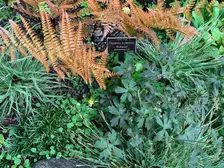
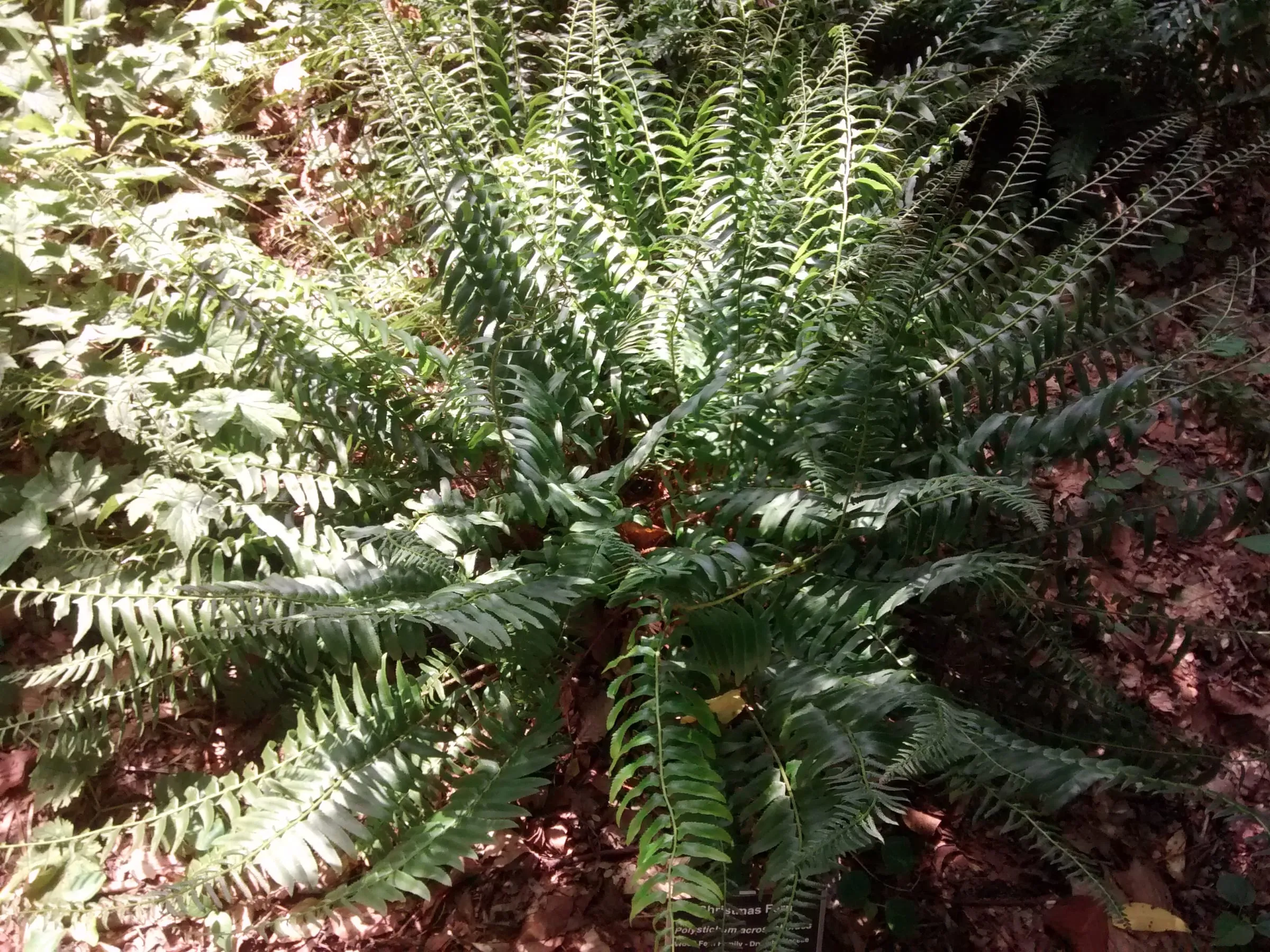
Photo: Mx. Granger, CC0, via Wikimedia Commons
- Light
- part shade to full shade, including the deep shade under trees and on the north side of a house
- Water
- medium. It prefers steady moisture but stands some drought once established. Never let it sit in wet soil, especially in winter
- Toxicity
- non-toxic to dogs, cats and horses (ASPCA, listed as Christmas Dagger, Polystichum acrostichoides). Any plant can upset a stomach if a pet eats enough of it
| Type | Fern |
|---|---|
| Sun | Part sun, shade |
| Water | Medium |
| Size | 12 to 24 in tall, 12 to 24 in wide |
| Plant in | fall or early spring |
| Interest | Spring, summer, fall, winter |
| Upstate winter | Survives our winter |
| Hardy zones | 3 to 9 |
| Use in | Containers, beds |
| Role | Filler, height |
Toxicity confirmed against ASPCA Animal Poison Control.
Christmas fern is the native evergreen fern of Upstate woods, and it is the one still green in December, which is how it got its name. Leathery, glossy fronds 1 to 2 feet long rise in a loose fountain, silver fiddleheads come up in spring, and it stands more drought than most ferns once its roots are in. Deer, rabbits and pests leave it alone. Those are exactly the reasons it suits a porch pot.
In the Upstate
It grows wild throughout South Carolina and is hardy well past anything Greenville sees, in the ground or in a pot. Plant in fall or early spring. It handles summer in shade, and Clemson notes it tolerates a drought once established. The honest bit: by late winter the old fronds lie flat and look tired, and the taller fertile fronds die back every year. That is normal, and new growth replaces them in spring.
In a container
In a planter it is a filler with some height, 12 to 24 inches, and it is the evergreen that keeps a shade pot from going empty in January. It spreads very slowly, so a single plant holds its spot for years. Water when the top inch of mix is dry, about twice a week in summer shade, less in winter. It does not need swapping mid-season.
Care
Water for steady moisture and use a well-drained, organic mix. Feed lightly, once in spring after new growth starts, or not at all, because ferns burn easily from too much fertilizer. Cut the flattened old fronds as the new fiddleheads emerge, and divide every three to five years if you want more plants. The one thing that kills it is crown rot from wet, poorly drained soil, most often in winter. Follow Missouri Botanical Garden’s advice and set the rhizome at a slight angle so water sheds away from the crown.
Want this planted for the light you actually have? Start a project
Sources
- Clemson HGIC 1176, Hardy Ferns (hgic.clemson.edu/factsheet/hardy-ferns/)
- Clemson HGIC, Hardy Evergreen Ferns video transcript (hgic.clemson.edu)
- NC State Extension Plant Toolbox, Polystichum acrostichoides (plants.ces.ncsu.edu)
- Missouri Botanical Garden Plant Finder, Polystichum acrostichoides (missouribotanicalgarden.org)
- ASPCA, Christmas Dagger (aspca.org)