Photo: Raul654, CC BY-SA 3.0, via Wikimedia Commons
- Light
- morning sun and afternoon shade. Full afternoon sun wilts it daily, and deep shade cuts the bloom
- Water
- high. Water deeply once a week in the ground and more in heat; a pot can need water every day in July
- Toxicity
- toxic to dogs, cats and horses (ASPCA, listed for the genus Hydrangea under Hydrangea arborescens, a genus-level match): cyanogenic glycoside; vomiting, depression, diarrhea. Cyanide intoxication is rare and usually produces more of a gastrointestinal disturbance. Also poisonous to people (NC State Extension, low severity): nausea, stomach pain, vomiting and sweating from large quantities of leaves, flowers or bark
| Type | Shrub |
|---|---|
| Sun | Part sun, shade |
| Water | High |
| Size | 3 to 6 ft tall, 3 to 6 ft wide |
| Bloom | blue, pink, purple, white · June to July, with rebloomers again later in summer |
| Plant in | fall or early spring |
| Interest | Summer |
| Upstate winter | Survives our winter |
| Hardy zones | 6 to 11 |
| Use in | Containers, beds |
| Role | Height, filler |
Toxicity confirmed against ASPCA Animal Poison Control; NC State Extension Plant Toolbox.
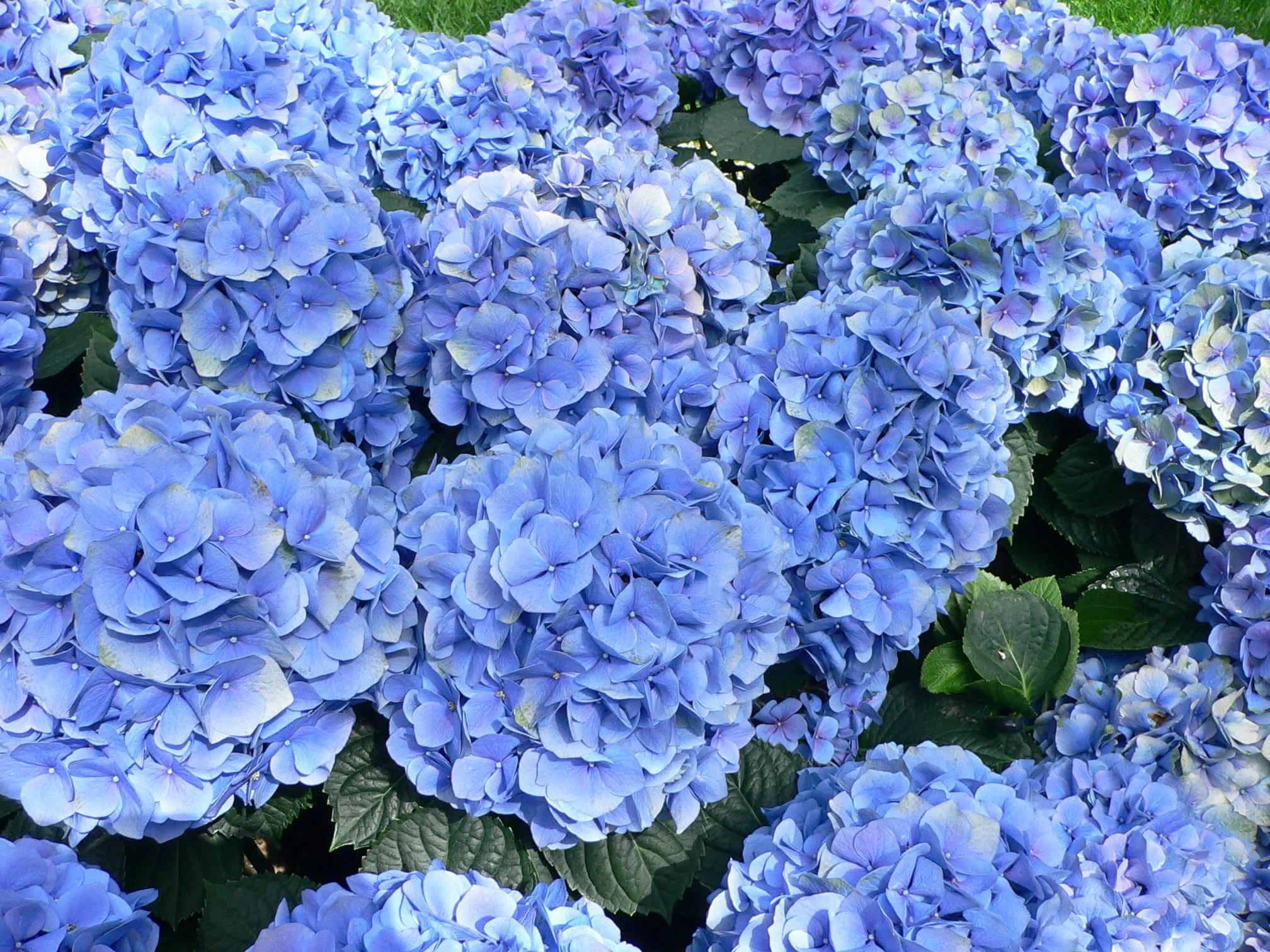
Bigleaf hydrangea is the big blue mophead, and it is the one plant people point at in a photo and say “that.” It gives a shaded porch a mass of color from June on, and the flowers dry on the stem into fall. Blue in acidic soil, pink in alkaline soil, and Clemson explains how to push it either way.
In the Upstate
It is hardy to zone 6, so the plant lives through our winters, but Clemson says the most common reason a bigleaf hydrangea fails to bloom is winter injury to the buds it carries on last year’s stems. A late spring freeze can take a whole season of flowers. Rebloomers like ‘All Summer Beauty’ flower on new growth too, so they recover. Summer is the other test: those big leaves lose water fast, and a plant in afternoon sun wilts every day and scorches. Clemson says to plant in spring or fall, not in the heat.
In a container
It is the height and the mass of a shade planter, and Clemson lists containers among its uses. Expect 3 to 6 feet tall and wide, so it fills a big pot in two seasons and then wants the ground. In July a potted hydrangea can need water every day, which is the honest reason it is not a plant for a porch nobody visits. A pot also freezes harder than a bed, so tuck it against the house in winter or expect fewer flowers.
Care
Water deeply and often, and feed lightly with 10-10-10 in March, May and July. Prune only after flowering and never after August 1, or you cut off next year’s buds. Leaf spots show up on wet foliage, so water the soil, not the leaves. The one thing that kills it is drying out in August. The one thing that stops it blooming is a spring frost on old wood.
Want this planted for the light you actually have? Start a project
Sources
- Clemson HGIC 1067, Hydrangea Care in South Carolina (hgic.clemson.edu/factsheet/hydrangea-care-in-south-carolina/)
- NC State Extension Plant Toolbox, Hydrangea macrophylla (plants.ces.ncsu.edu)
- ASPCA, Hydrangea (aspca.org)