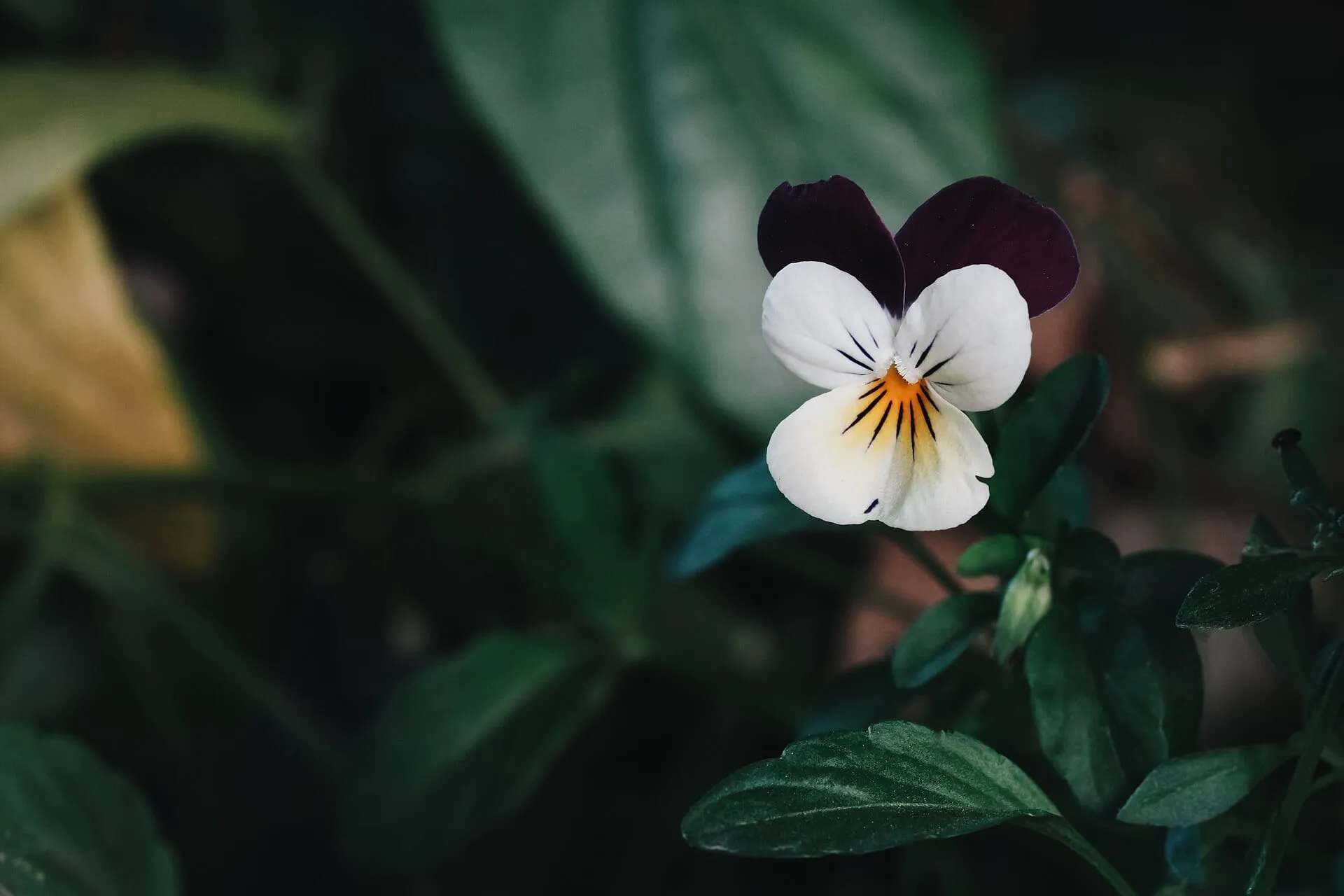
Photo: Anya Chernik from Jerusalem, Israel, CC BY 2.0, via Wikimedia Commons
- Light
- full sun to part shade. Morning sun with some afternoon shade keeps it going longest in spring
- Water
- medium. Keep the soil evenly moist but never soggy, and check pots weekly through winter
- Toxicity
- Not listed by ASPCA or Pet Poison Helpline. That is not the same as safe. An ASPCA Poison Control article names the pansy (Viola tricolor var. hortensis) but not Viola cornuta
| Type | Cool-season annual |
|---|---|
| Sun | Full sun, part sun |
| Water | Medium |
| Size | 6 to 9 in tall, 6 to 12 in wide |
| Bloom | purple, blue, yellow, white, apricot, bicolor · October to May |
| Plant in | October, or late February to March |
| Interest | Fall, winter, spring |
| Upstate winter | One season |
| Hardy zones | 6 to 11 |
| Use in | Containers, beds |
| Role | Filler, trailer |
Toxicity not independently confirmed: Not listed by ASPCA or Pet Poison Helpline. If you have pets, check with the ASPCA or your vet before putting this one where they can reach it.
Violas are the pansy’s smaller, tougher cousin. The flowers are much smaller, but there are far more of them, they need less deadheading, and Clemson notes they take heat better than pansies do. In a window box or a small pot, a mass of violas often looks better than a few big pansy faces. The ‘Sorbet’ series is the one you will see most, about 10 inches tall in soft pastels.
In the Upstate
Violas go in once October cools things off and bloom right through a normal Greenville winter, pausing only in the coldest stretches. They pick up again in March and carry into May. NC State lists them as a perennial, and the species is one, but here the summer heat shuts the flowers down and the plant goes ragged. Treat them as a fall-to-spring plant and replace them when the summer lineup goes in. They will not give you flowers in July no matter how you water.
In a container
Violas fill the front edge of a pot and spill a little over the rim, since the stems creep to about a foot. Use them as a filler around taller kale, chard, or snapdragons, or plant a low bowl solid with them. A pot dries faster than a bed, so check it once a week through winter and every few days in a warm spell. They stay tidy from October to spring changeover without much help.
Care
Keep the soil moist, never soggy, and water in the morning. Mix in a slow-release fertilizer at planting. Pinch spent flowers when you think of it, though violas keep blooming even if you do not. Cut them back if they get leggy in a warm spell and they usually push new buds when it cools. The thing that ends them is heat, not cold, and the thing that kills them early is a pot that stays wet.
Want this planted for the light you actually have? Start a project
Where it shows up
- GuideContainer gardening in Greenville: what actually works
- GuideWhat to plant in a fall container in the Upstate
- GuideThe Greenville container calendar
- GuideHoliday containers and entry decor in the Upstate
- GuideSpring containers in the Upstate
- GuideUpstate cold snaps: planning planters that survive them
- CareWhen a planter needs care and when it needs a refresh
- CareFeeding and fertilizing container plants
- CareHow to protect planters during a freeze
Sources
- Clemson HGIC 1169, Pansies and Johnny-Jump-Ups (hgic.clemson.edu/factsheet/pansies-and-johnny-jump-ups/)
- Clemson HGIC, Seasonal Container Gardening: Fall Through Winter (hgic.clemson.edu/seasonal-container-gardening-fall-through-winter/)
- NC State Extension Plant Toolbox, Viola cornuta (plants.ces.ncsu.edu/plants/viola-cornuta/)
- ASPCA Poison Control, Are These Fall Plants Hazardous or Harmless? (aspca.org/news/are-these-fall-plants-hazardous-or-harmless), checked; names pansy only