Photo: Krzysztof Ziarnek, Kenraiz, CC BY-SA 4.0, via Wikimedia Commons
- Light
- full sun to part shade. The silver is brightest in sun and the plant gets leggy in heavy shade
- Water
- low once established. Let the mix dry between waterings, and never keep it wet
- Toxicity
- toxic to dogs, cats and horses (ASPCA genus-level entry for ragwort, Senecio species; dusty miller was Senecio cineraria until it was moved to Jacobaea, and NC State also calls it toxic to pets): pyrrolizidine alkaloids; liver damage, weakness, vomiting, diarrhea. Also poisonous to people (NC State Extension, high severity): all parts if eaten, serious liver damage, and brief skin irritation from handling
| Type | Cool-season annual |
|---|---|
| Sun | Full sun, part sun |
| Water | Low |
| Size | 6 to 18 in tall, 6 to 12 in wide |
| Plant in | October, or late February to March |
| Interest | Fall, winter, spring |
| Upstate winter | Survives our winter |
| Hardy zones | 7 to 10 |
| Use in | Containers, beds |
| Role | Filler |
Toxicity confirmed against ASPCA Animal Poison Control; NC State Extension Plant Toolbox.
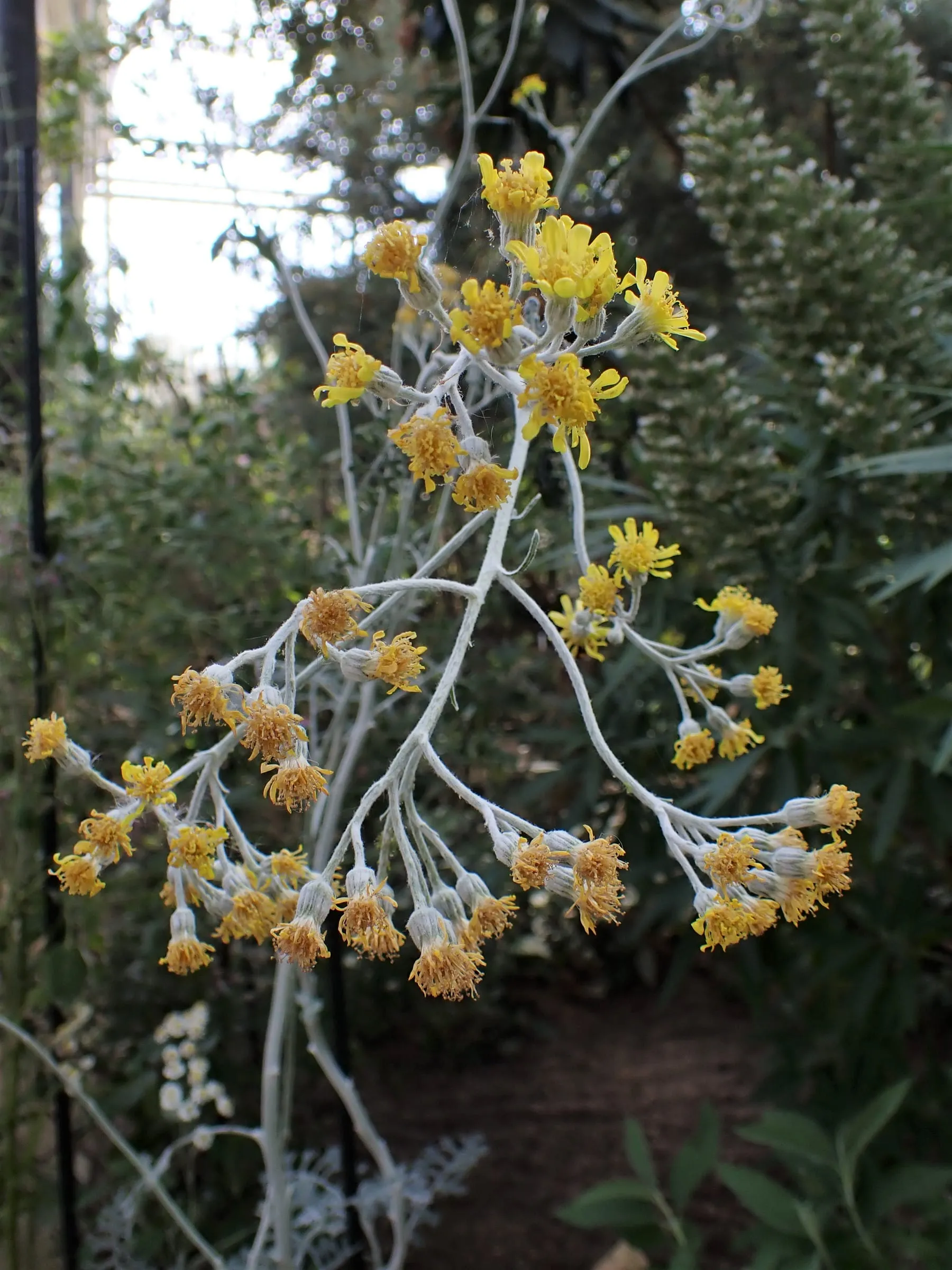
Dusty miller is the silver in a planter. The woolly, lace-cut leaves make every color next to them look richer, which is why Clemson pairs it with dwarf snapdragons for fall, winter, and spring pots and why it works with pansies and kale. It is not about the flowers. NC State says the small yellow daisies usually do not show up until the plant is about 2 years old, and they are better cut off anyway.
In the Upstate
NC State rates dusty miller winter hardy in zones 7 to 10, which covers Greenville with a zone to spare. It goes in with the fall planting in October and holds its silver through winter and spring. It also takes heat, poor soil, and drought once established, so unlike pansies it does not have to leave in June. What it cannot take is wet: our summer humidity and a soggy pot bring on stem and root rot. A container puts the roots about a zone colder than the ground, so a hard January can still brown it, but most years it carries through.
In a container
Dusty miller is a filler. NC State puts it at 6 to 18 inches tall, and the compact cultivars sold for pots, like ‘Silverdust’ and ‘New Look’, sit at the low end of that. Set it toward the front or middle of a pot, where the silver leaves sit against darker foliage or a deep-colored pansy. Let the mix dry out between waterings, and water less often in winter. It usually goes straight from the fall pot into the summer one without a swap, though by its second year it is woodier and trying to flower, and that is the time to replace it.
Care
Water lightly, feed little, and pinch off the flower stalks to keep the plant leafy and low. Give it sun for the best color. The one thing that kills dusty miller is overwatering and poor drainage, which rot the stem at the soil line. Wear gloves when you handle or trim it, since NC State reports the leaves can irritate skin, and keep it where pets and children will not chew it.
Want this planted for the light you actually have? Start a project
Sources
- Clemson HGIC, Seasonal Container Gardening: Fall Through Winter (hgic.clemson.edu/seasonal-container-gardening-fall-through-winter/)
- NC State Extension Plant Toolbox, Jacobaea maritima (plants.ces.ncsu.edu/plants/jacobaea-maritima/)
- ASPCA, Ragwort (Senecio species) (aspca.org)