Photo: David J. Stang, CC BY-SA 4.0, via Wikimedia Commons
- Light
- full sun to part shade. Here, morning sun, afternoon shade and open air around it are the kindest spot it will get
- Water
- medium. Keep the root ball evenly moist, especially in a pot in August and before a freeze; it resents both drought and a saucer that stays full
- Toxicity
- not listed by ASPCA or Pet Poison Helpline. Absence from those lists is not evidence of safety
| Type | Evergreen |
|---|---|
| Sun | Full sun, part sun |
| Water | Medium |
| Size | 3 to 4 ft after ten years tall, about 18 in after ten years wide |
| Plant in | fall, October to November |
| Interest | Fall, winter, spring |
| Upstate winter | Needs protection |
| Hardy zones | 3 to 6 |
| Use in | Containers, beds |
| Role | Structure, height |
Toxicity not independently confirmed: Not listed by ASPCA or Pet Poison Helpline. If you have pets, check with the ASPCA or your vet before putting this one where they can reach it.
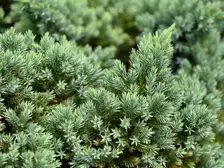
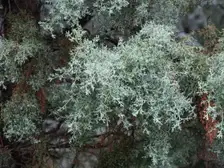
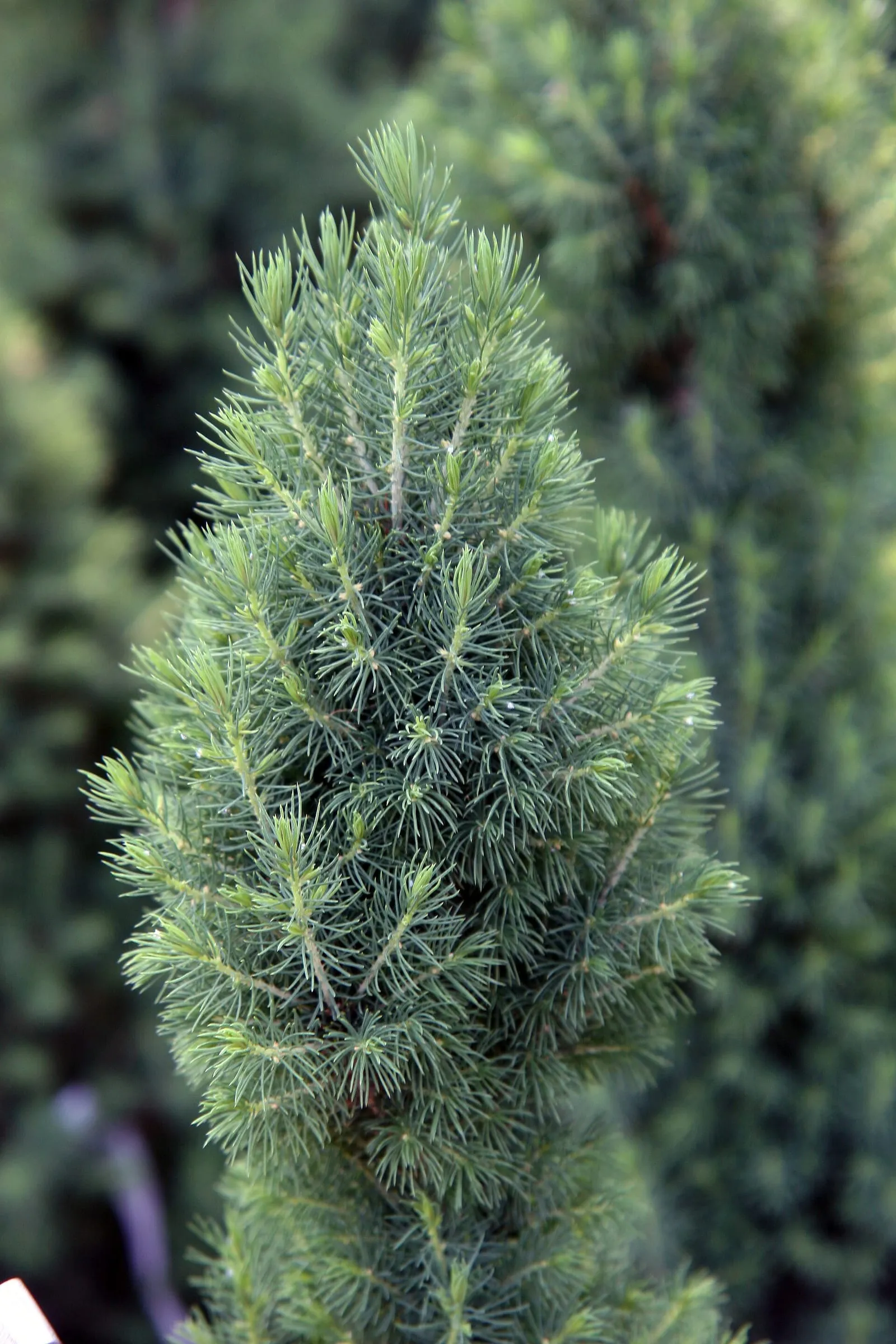
Dwarf Alberta spruce is the little Christmas tree: a dense, perfect cone of soft light-green needles that grows 2 to 4 inches a year and looks formal in a pair of pots by a front door. NC State names that exact use, in planters in pairs by a porch entrance. It is winter and holiday structure, and it comes with a warning up front: this is a plant found in the wild in Alberta, Canada, and a Greenville summer is not what it wants.
In the Upstate
Winter is not the problem, since it is hardy to zone 3 and shrugs off anything January does here. Summer is the problem: NC State says plainly that it struggles to grow in the southeastern United States and does not perform at its best in high heat and humidity, Missouri Botanical Garden says it should not be grown in the eastern U.S. south of zone 6, and Greenville is zone 8a. Then there are spruce spider mites, which Clemson’s Upstate agent says prefer this plant so much that it is known to come with “free mites with every purchase.” They are worst in spring and fall, and repeated infestations brown the needles from the inside out. If it goes in the ground, give it morning sun, afternoon shade, moving air, and low expectations past its second summer.
In a container
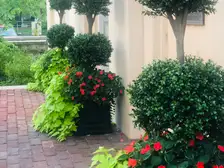
Its job is structure: the vertical evergreen in a fall or winter planter, 3 to 4 feet tall after a decade, underplanted with pansies, then dressed for the holidays. Missouri Botanical Garden calls it an excellent container plant, and Clemson notes that garden centers sell it decorated for the holidays. Water the pot to keep the root ball moist, soak it before a freeze, and if it comes indoors for the holidays keep it away from heat vents, keep the visit short, and acclimate it back outside gradually. Plan on it as a one-winter plant in a pot. If it comes through August green, that is a bonus, not a promise.
Care
Keep it evenly watered in a well-drained mix. It needs no regular feeding. Tap a branch over white paper every few weeks in spring and fall, and if specks move, that is mites: rinse the foliage hard with water, or use insecticidal soap or horticultural oil in cool evening temperatures, never above 90 degrees or on a drought-stressed plant. Prune out any long, coarse shoot that appears, because the plant can revert to a full-size spruce. The one thing that kills it is a hot, still, dry August in a pot, with the mites finishing the job.
Want this planted for the light you actually have? Start a project
Sources
- Clemson HGIC 2010, Integrated Pest Management for Spider Mites (hgic.clemson.edu)
- Clemson HGIC, This Month in Your Garden, December 2025 (hgic.clemson.edu)
- NC State Extension Plant Toolbox, Picea laxa 'Conica' (plants.ces.ncsu.edu)
- Missouri Botanical Garden Plant Finder, Picea glauca 'Conica' (missouribotanicalgarden.org)
- ASPCA toxic and non-toxic plant list, searched for Picea and spruce, no entry (aspca.org)
- Pet Poison Helpline poison list, searched for Picea and spruce, no entry (petpoisonhelpline.com)