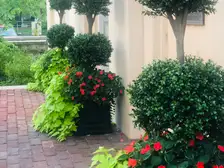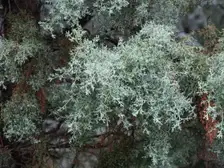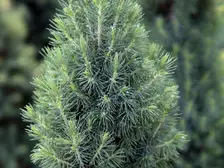
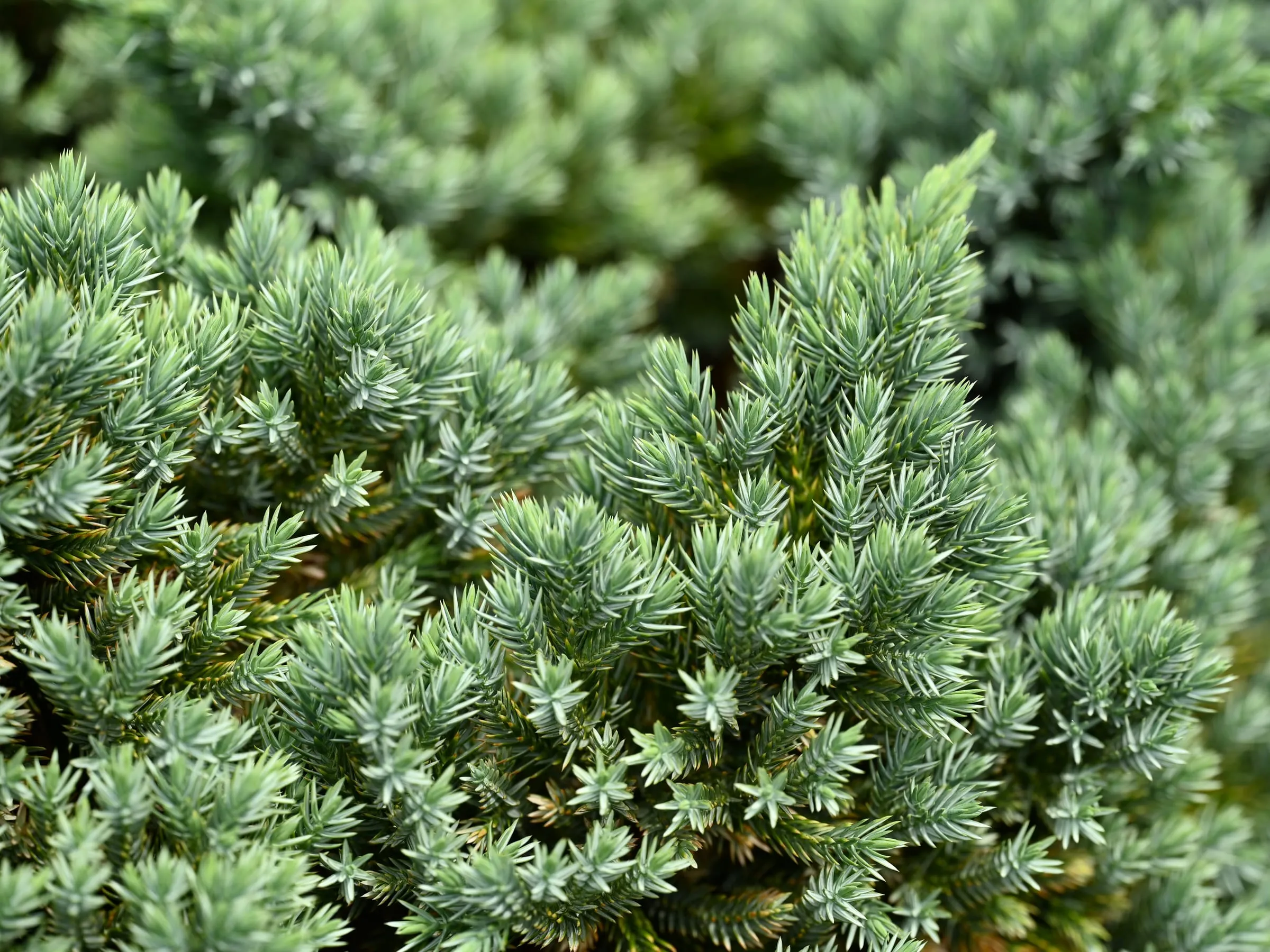
Photo: Krzysztof Ziarnek, Kenraiz, CC BY-SA 4.0, via Wikimedia Commons
- Light
- full sun, six hours or more. It loses its color and gets thin in shade
- Water
- low once established. Water when the top few inches are dry and never let the pot sit in water
- Toxicity
- Not listed by ASPCA or Pet Poison Helpline. That is not the same as safe, so keep pets from chewing it
| Type | Evergreen |
|---|---|
| Sun | Full sun |
| Water | Low |
| Size | 1 to 3 ft tall, 1 to 4 ft wide |
| Plant in | fall or early spring |
| Interest | Spring, summer, fall, winter |
| Upstate winter | Survives our winter |
| Hardy zones | 4 to 8 |
| Use in | Containers, beds |
| Role | Filler, structure |
Toxicity not independently confirmed: Not listed by ASPCA or Pet Poison Helpline. If you have pets, check with the ASPCA or your vet before putting this one where they can reach it.
‘Blue Star’ is a small silver-blue cushion of a plant, and that color is the reason to grow it. Set against a dark container or a green shrub it reads from the street. It stays low, it never needs shearing, and it looks the same in January as it does in June.
In the Upstate
Winter is easy: it is hardy to zone 4, so a Greenville winter, even in a pot, does not bother it. The honest part is summer: Clemson says this cultivar “tends to be short-lived in the Southeast,” and does not say why. What it wants is full sun, sharp drainage and air moving around it. In a wet spring the tips can blight. Plant it in fall or early spring and expect a good run of years, not decades.
In a container
It is a filler with structure, the blue mound at the front or side of a planter that stays put while annuals come and go. It grows slowly to 1 to 3 feet tall and 1 to 4 feet wide, so it will not outgrow a pot for a long time. Use a gritty mix and a pot that drains freely. In summer, water when the top few inches are dry. It does not need swapping mid-season.
Care
Water to establish, then water little. No pruning, and no fertilizer beyond a light spring feeding. The one thing that kills it is wet feet: a saucer full of water, a pot with a plugged hole, or heavy clay in a bed. If the center browns out in a humid summer, that is the plant telling you it wanted more sun and air.
Want this planted for the light you actually have? Start a project
Sources
- Clemson HGIC 1107, Growing and Using Juniper Groundcovers and Small Shrubs (hgic.clemson.edu/factsheet/growing-and-using-juniper-juniperus-spp-groundcovers-and-small-shrubs-2/)
- NC State Extension Plant Toolbox, Juniperus squamata 'Blue Star' (plants.ces.ncsu.edu)
- ASPCA Toxic and Non-Toxic Plants list, letter J pages, no entry for juniper (aspca.org)